
Garage door motor replacement becomes necessary when your opener starts failing in ways that regular repairs can no longer fix, and knowing the warning signs helps you act before your car ends up trapped inside. For Syracuse homeowners, a motor that struggles through cold winters and heavy daily use eventually reaches the end of its life, usually after 10 to 15 years. This guide covers the seven clearest signs it is time to replace your motor, breaks down real 2026 costs, and helps you decide whether a repair or a full replacement makes more sense for your home.
- Warning signs: The seven symptoms that tell you a garage door motor is failing and needs replacement.
- Real costs: What motor and opener replacement actually runs in 2026, including parts and labor.
- Repair or replace: How to weigh a smaller fix against a full replacement so you spend wisely.
7 Signs It’s Time for Garage Door Motor Replacement
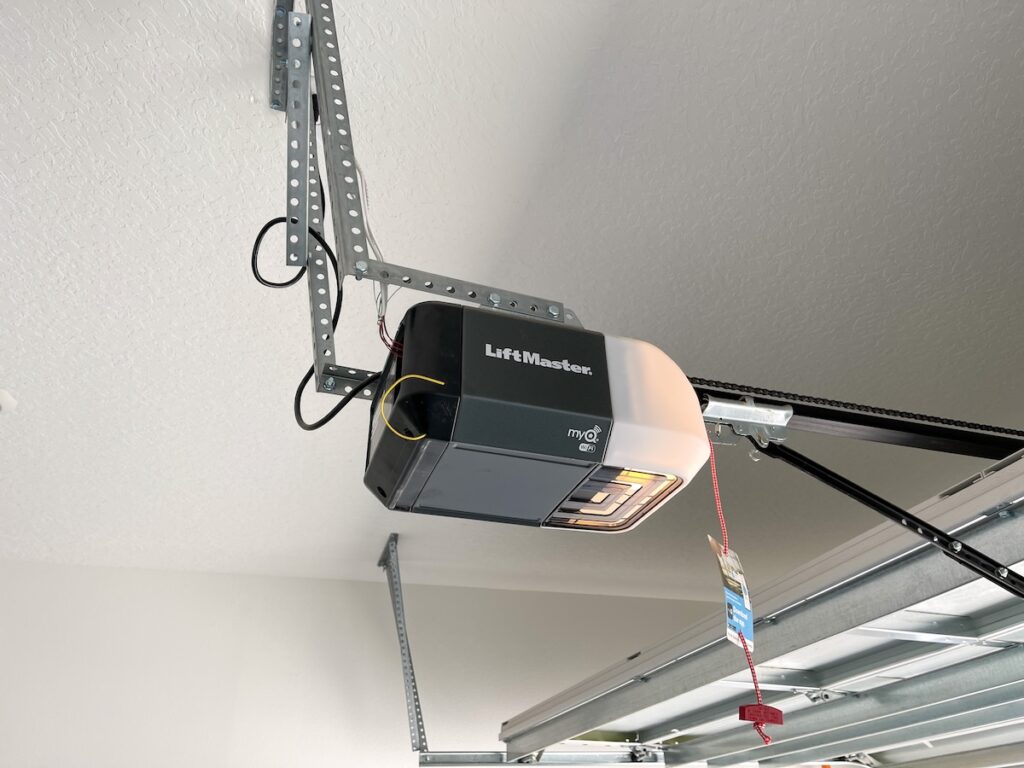
The following seven signs indicate that your garage door motor is failing and may need replacement rather than another repair. Watch for these symptoms once your opener passes the ten-year mark, since catching them early prevents a complete breakdown.
Before reviewing the signs, it is worth remembering why a properly working opener matters for safety. Since January 1, 1993, federal rules have required every residential garage door opener sold in the United States to include an automatic reversing system that stops and reverses a closing door when it meets an obstruction. Replacing an aging motor is a chance to bring an older opener up to current safety standards.
1. Loud Grinding or Unusual Noises
Loud grinding, rattling, or new mechanical noises are among the clearest signs a garage door motor is wearing out. A motor that suddenly becomes loud often has worn internal bearings, a failing gear, or is running under excess load. Some noise traces back to a stripped drive gear or a bad capacitor that a technician can replace affordably, but persistent grinding from the motor itself usually points toward replacement rather than another small fix.
- New sounds: Any noise that appears suddenly deserves prompt attention.
- Likely causes: Worn bearings, a failing gear, or a motor under excess strain.
- Repairable cases: A stripped gear or bad capacitor may be a cheaper fix than the motor.
- Warning sign: Persistent grinding from the motor often precedes total failure.
2. Slow or Sluggish Door Movement
A door that opens or closes more slowly than it used to often signals a motor losing power and nearing the end of its life. As internal components wear, the motor struggles to move the door at its normal speed. This is especially noticeable on cold Syracuse mornings, when low temperatures thicken lubricant and add resistance a weakening motor cannot overcome. A motor that consistently strains even after servicing is likely wearing out.
- Lost speed: A door slower than its normal pace suggests declining motor power.
- Cold weather: Syracuse winters expose a weak motor’s struggle to move the door.
- Rule out springs: Have a technician confirm the springs are not the real cause.
- Consistent strain: Ongoing sluggishness after servicing points to the motor.
3. Inconsistent or Unreliable Operation
A garage door opener that works sometimes and fails other times shows unreliable operation that often indicates motor or electrical decline. The door may open on one attempt, ignore the remote on the next, or reverse without reason. This inconsistency stems from worn motor components or internal electrical faults, and once it becomes a pattern, the opener is signaling it is near the end. For Syracuse homeowners who use the garage as their main entrance, this unpredictability warrants a professional evaluation.
- Intermittent failure: The door works unpredictably from one use to the next.
- Common symptoms: Ignored remote signals or unexplained reversals.
- Root causes: Worn motor parts or internal electrical faults.
- Pattern matters: Repeated inconsistency signals the opener is failing.
4. The Motor Runs but the Door Won’t Move
When the motor hums or runs but the door does not move, a key component has failed. In many cases this is a stripped drive gear or a bad capacitor rather than the motor itself, and a technician can diagnose which part is at fault. If the gear and capacitor test fine and the motor still cannot move the door, the motor has likely failed internally. A professional inspection avoids replacing the whole unit when a smaller repair would do.
- Telltale sign: The motor runs but the door stays put.
- Cheaper culprits: A stripped gear or failed capacitor is often the real cause.
- Motor failure: If those parts test fine, the motor itself has likely gone.
- Get a diagnosis: Professional testing prevents unnecessary full replacement.
5. The Motor Overheats and Shuts Down
A motor that overheats and shuts down during normal operation is running under excess load or suffering from degraded internal parts. Most openers have thermal protection that stops the motor when it gets too hot, so if your door quits partway and needs time to cool before working again, the motor is under stress. Overheating often points to failing springs forcing the motor to overwork or worn bearings creating friction.
- Thermal shutdown: The motor stops when it overheats and needs to cool down.
- Excess load: Failing springs can force the motor to work beyond its capacity.
- Internal wear: Degraded bearings create friction and heat.
- Progressive damage: Repeated overheating accelerates motor failure.
6. Frequent Repairs Are Adding Up
When you find yourself calling for repairs again and again, the cumulative cost is a strong sign that full replacement is the smarter move. A pattern of small fixes on an aging unit, such as a new gear one month and a capacitor the next, quickly adds up to more than a replacement would cost. Once an opener passes ten years and repairs become routine, many Syracuse homeowners are better served putting that money toward a new, more reliable motor.
- Repeat visits: Frequent service calls signal an opener near the end.
- Rising total: Stacked small repairs can exceed replacement cost.
- Age threshold: Openers past ten years rarely justify continued repairs.
- Better value: Replacement money often buys more reliability than another patch.
7. Outdated Safety Features
An older motor that lacks modern safety features is a strong candidate for replacement, both for protection and reliability. Openers made before current standards may lack the auto-reverse sensors, rolling-code security, and other safeguards newer units include by default. If your opener predates these features or its safety sensors no longer work reliably, replacing the motor and opener brings your garage up to modern standards while adding conveniences like battery backup and smartphone control.
- Missing safeguards: Older units may lack auto-reverse and rolling-code security.
- Failing sensors: Unreliable safety sensors are a serious reason to upgrade.
- Modern standards: A new opener meets current safety requirements.
- Added features: Replacement can add battery backup and smartphone control.

How Much Does Garage Door Motor Replacement Cost?
Garage door motor replacement costs vary depending on whether you replace just the motor or the entire opener, along with the brand, horsepower, and local labor rates. Understanding the ranges helps you read a quote accurately and choose the best path.
Motor and Opener Replacement Price Ranges
Replacing a garage door motor typically ranges from about $130 to $700 including installation, while a full opener replacement generally runs $300 to $600 for standard models. Labor usually accounts for $150 to $300 of the total, covering removal of the old unit and safe installation of the new one. Premium openers with belt drives, higher horsepower, battery backup, or smart features sit at the upper end and beyond, sometimes reaching $900 or more installed.
- Motor replacement: Roughly $130 to $700 installed, depending on brand and horsepower.
- Full opener replacement: About $300 to $600 for standard models, more for premium units.
- Labor share: Expect $150 to $300 for professional removal and installation.
- Premium features: Belt drive, battery backup, and smart control raise the price.
Factors That Affect Your Final Cost
Several variables determine where your replacement lands within these ranges. The drive system matters, since belt and chain drives cost less than direct-drive or premium smart models. Horsepower is another factor, as heavier or double doors need stronger motors. The condition of the surrounding system also plays a role, because worn springs or rusted rails common on older Syracuse garages can add to the job. Emergency or after-hours service carries premium rates over a scheduled visit.
- Drive type: Belt and chain drives cost less than direct-drive or smart models.
- Horsepower: Heavier and double doors require stronger, pricier motors.
- System condition: Worn springs or rusted rails can add to the total.
- Service timing: Emergency and after-hours calls carry higher rates.
Frequently Asked Questions
How Much Does It Cost to Replace a Garage Door Motor?
Replacing a garage door motor typically costs $130 to $700 including installation, depending on the brand, horsepower, and drive type. A full opener replacement usually runs $300 to $600 for standard models, with premium smart units costing more. Getting a free quote helps pin down the price for your specific opener.
Can I Replace Just the Motor or Do I Need a New Opener?
You can often replace just the motor when the rails, drive system, and safety features are still in good shape, which saves money. However, if the tracks are bent or rusted or the opener is very old, a complete replacement is usually the better long-term choice. A technician can inspect your system and recommend the right option.
How Long Does a Garage Door Motor Last?
A garage door motor typically lasts 10 to 15 years, though frequent use and harsh winters can shorten that in Syracuse. Regular maintenance, including lubrication and spring tune-ups, helps the motor reach the upper end of that range. Once your opener passes ten years, watch for warning signs.
Is It Worth Repairing a Garage Door Opener or Should I Replace It?
Repair makes sense for a newer opener with a single failed part like a capacitor or drive gear. Once the unit is over ten years old and repairs become frequent, replacement is usually more cost-effective and reliable. Comparing the repair cost against a new opener helps you decide.
Can I Replace a Garage Door Motor Myself?
Some handy homeowners can swap an opener, but professional installation is recommended for safety and to protect your warranty. The job involves working near springs under high tension and setting the safety sensors correctly. A licensed technician ensures the motor is installed and calibrated safely.
What Are the First Signs a Garage Door Motor Is Failing?
The earliest signs usually include new grinding noises, slower door movement, and inconsistent operation where the door works unpredictably. You may also notice the motor running without moving the door or shutting down from overheating. Any of these signals that your opener deserves a professional inspection.
Why Genson Overhead Door Is Your Trusted Syracuse Motor Replacement Expert
When your garage door motor starts showing these warning signs, Genson Overhead Door brings more than 70 years of family-owned experience to give you an honest assessment of whether a repair or a full replacement delivers the best value for your Syracuse home. Our trained technicians diagnose whether a smaller fix like a gear or capacitor will do or whether your aging motor truly needs replacing, then handle the installation safely and bring your opener up to current safety standards. As a family-owned and operated company serving the Syracuse area, we stand behind our work with solid warranties, offer flexible financing to fit your budget, provide emergency repairs when your car is trapped inside, and keep your opener running through our maintenance program. If your garage door motor is failing, reach out to Genson Overhead Door today for a free quote and expert guidance on the most cost-effective fix.